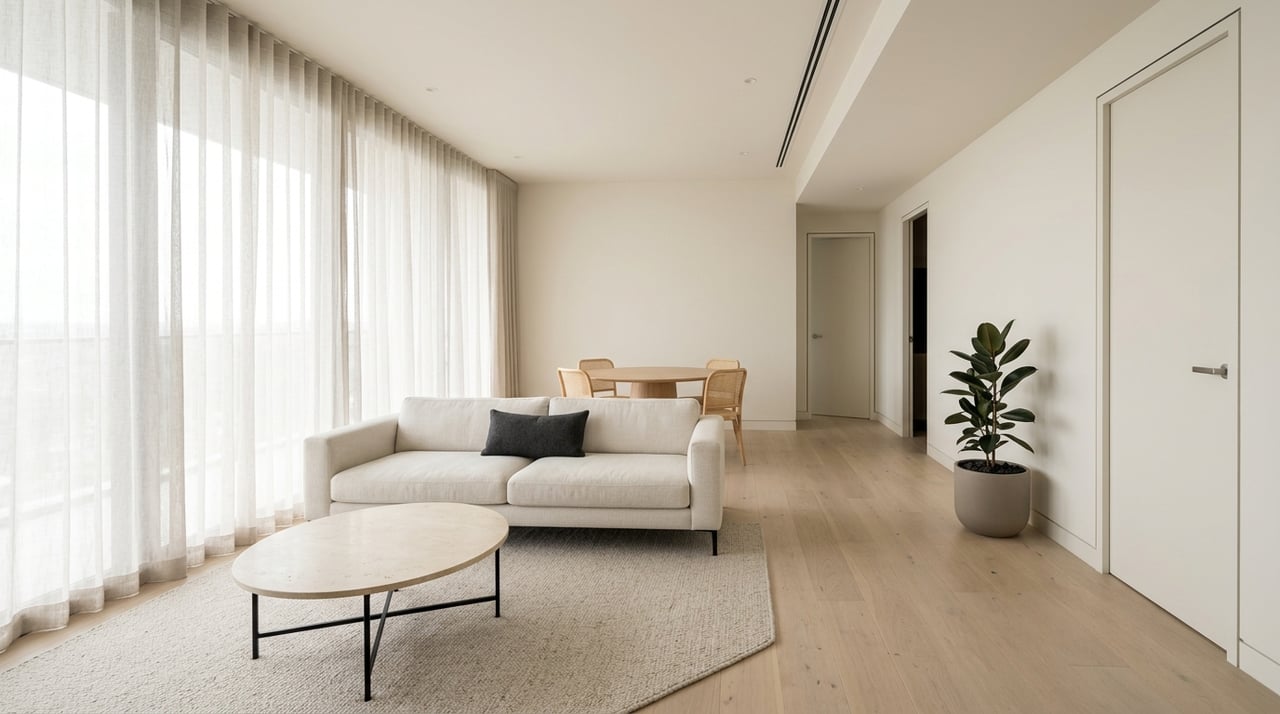
If you are shopping for a luxury condo in Downtown Toronto, the floor plan deserves as much attention as the view. A polished brochure can make almost any suite look impressive, but true luxury shows up in how a home feels day to day. When you know what to look for, you can read a plan more clearly and spot the difference between visual drama and lasting livability. Let’s dive in.
Why Downtown Toronto floor plans need context
In Downtown Toronto, a condo floor plan should never be judged on its own. The City’s tall building framework treats height, spacing, sunlight, sky views, and wind as core livability issues, which means the quality of your suite is tied to the way the whole tower is designed.
That matters in luxury buildings especially. A beautiful unit inside a poorly configured tower can still feel compromised if privacy is limited, light is blocked, or windows face another tower too closely. In this market, reading the tower is part of reading the suite.
Start with volume, not finishes
Luxury often begins with a sense of air and openness. Before you focus on stone slabs, appliance brands, or decorative details, look at ceiling height and room proportions.
Ontario’s current building code sets minimum ceiling height standards for living, dining, kitchen, and bedroom areas in new construction. But code minimums are not the same as luxury. A suite can meet the rules and still feel flat if the main rooms sit close to the minimum allowable dimensions.
For that reason, volume is one of the first quality signals to assess. In resale condos, you may be looking at suites built under older rules, while pre-construction projects should be read against the 2024 Ontario Building Code now in effect. That difference can shape how open, bright, and generous a space actually feels.
What higher volume changes
A stronger sense of volume can improve more than appearance. It can make the living room feel calmer, allow daylight to travel farther into the suite, and support furniture placement without making the room feel crowded.
In practical terms, you want to ask whether the principal rooms feel comfortably scaled or merely compliant. In a luxury condo, that distinction matters.
Read circulation like a luxury feature
One of the easiest ways to judge a floor plan is to follow how you would move through it. A well-planned luxury condo should feel intuitive from the moment you enter.
Ontario’s accessibility rules for new construction require certain barrier-free paths, widths, and basic accessibility features in a portion of suites within multi-unit residential buildings. While that is a code and design issue, it also creates a useful test for buyers: good circulation tends to feel better, look better, and age better.
Generous entry space, clear hallways, and door swings that do not cut into the living area often make a suite feel more expensive than its square footage suggests. By contrast, awkward turns, narrow passages, and wasted corridor space can make even a large condo feel inefficient.
Signs of strong circulation
Look for these positive signals when reviewing a plan:
- A foyer that creates a proper arrival
- Hallways that are short and purposeful
- Rooms that connect naturally without dead space
- Doors that open without blocking key furniture zones
- A layout that could still work well over time if mobility needs change
Luxury is not just about how a floor plan photographs. It is also about how smoothly the home supports everyday life.
Focus on usable perimeter
In high-rise living, the perimeter of the suite is premium real estate. That is where you get daylight, views, and the wall space that lets rooms function well.
Toronto planning guidance connects slimmer towers and better tower separation with improved sky views, more natural light, and reduced privacy impacts. A Toronto staff report discussing tall building guidelines also notes that thinner tower floor plates can create smaller and faster-moving shadows, and the City’s 25-metre residential tower separation target is intended to support privacy and natural light.
For you as a buyer, the takeaway is simple: the more of the suite’s perimeter is used for real rooms, the more luxurious the unit usually feels. Corner suites, point-tower layouts, and plans that place the core to one side often make better use of windows and exterior walls than deeper slab-style plans with long interior corridors.
Why perimeter matters so much
When principal rooms sit on the exterior wall, you are more likely to get:
- Better daylight in living and dining areas
- Stronger views and more sky exposure
- More privacy from adjacent suites
- More workable walls for sofas, beds, and dining furniture
- Less wasted area in dark internal zones
A plan with dramatic glass but poor wall space may look striking at first glance. Still, if you cannot place furniture comfortably or maintain clear circulation, the suite may feel less refined in daily use.
Check where the core sits
The location of the elevator core, stairs, and service functions can have a big effect on a luxury suite. In some tower configurations, one face of the building may be occupied heavily by the core and stair, which can reduce the amount of useful living-room glazing on that side.
That is why it helps to ask a simple question: which side of the unit gets the best glass, and which side is absorbed by building functions? A suite may look wide on paper, but if the most valuable perimeter is lost to service areas, the layout may not deliver the light or openness you expect.
You should also pay close attention to bedroom placement. Bedrooms located too close to elevators, trash chutes, or mechanical areas may create a daily compromise that is easy to miss on a marketing plan.
Watch for common Downtown Toronto compromises
In Downtown Toronto, many floor plans are balancing tower efficiency with the City’s expectations around light, spacing, and privacy. That often leads to tradeoffs that are subtle on paper but obvious in person.
Some of the most common issues include long hallways, bedrooms pushed too close to the core, living rooms with too little furniture wall, and rooms wrapped in glass that are harder to furnish than they appear. These are not necessarily code problems, but they can affect how luxurious the suite feels once you live in it.
Red flags worth noticing
A floor plan may deserve a closer look if you see:
- Too much square footage spent on corridor space
- Principal rooms located away from daylight
- A living room that cannot easily fit a sofa and chairs
- A dining area that works only on paper
- Bedrooms with limited privacy or awkward shapes
- Glass-heavy corners with very little solid wall
A strong skyline view or oversized balcony can certainly add appeal. Still, view premium and livability premium are not the same thing.
Pre-construction versus resale
The way you read a luxury condo plan should change depending on whether the property is pre-construction or resale. The core questions are different.
For pre-construction condos, the brochure is only the marketing layer. Under Ontario law, the developer must deliver the current disclosure statement and the Condo Guide, and the purchase agreement is not binding until those documents have been delivered. That means the true reference point is the formal disclosure material, not just the polished sales package.
With resale condos, the suite already exists, so the question becomes whether the finished space lives the way the plan suggests. In that setting, ceiling height, actual window placement, privacy from neighboring towers, and the feel of circulation become especially important.
What to prioritize in each case
For pre-construction:
- Compare the marketing plan with the disclosure materials
- Review the suite in the context of the full tower form
- Pay close attention to perimeter usage and core placement
- Ask whether the layout feels generous or merely efficient
For resale:
- Confirm the finished ceiling height in person
- Study how natural light reaches the main rooms
- Test real furniture placement, not just staging
- Check privacy from nearby buildings and shared corridors
A simple luxury floor plan checklist
If you want a quick framework, use these questions when comparing Downtown Toronto condos:
- Does the plan waste too much space on hallways?
- Are the main living spaces on the perimeter with real daylight?
- Can a sofa, dining table, and bed fit without blocking movement?
- Are the bedrooms protected from core and service noise?
- Does the layout offer privacy from nearby towers?
- Does the suite feel as though it exceeds minimum standards in ways you can actually feel?
The best luxury floor plans usually do not rely on gimmicks. They create comfort through proportion, clarity, light, and ease of movement.
Why this matters in Toronto luxury real estate
In a market like Downtown Toronto, where premium pricing often depends on subtle differences, floor-plan literacy gives you an advantage. It helps you look past staging, finish packages, and marketing language to assess what the home is really offering.
For luxury buyers, that often means finding a suite that feels better over time, not just on first impression. For sellers, it can also mean understanding how to position a property’s strengths more clearly in the market.
A well-read floor plan is often the difference between a condo that simply looks upscale and one that truly lives that way. If you are weighing a Downtown Toronto condo, penthouse, or pre-construction opportunity and want a discreet, informed second opinion, Michelle Jalsevac offers private guidance tailored to Toronto’s luxury market.
FAQs
How do you tell if a Downtown Toronto condo floor plan feels luxurious?
- Look for strong ceiling volume, efficient circulation, principal rooms on the perimeter, workable furniture walls, and privacy from neighboring towers.
What matters most in a luxury Toronto condo floor plan?
- The most important features are usually volume, movement, daylight, privacy, and room proportions rather than decorative finishes alone.
Are pre-construction condo floor plans in Toronto reliable?
- Pre-construction plans can be useful, but the disclosure statement and Condo Guide are the key documents to review because the brochure is primarily a marketing tool.
Why does tower design affect an individual condo suite in Downtown Toronto?
- Tower form, floor plate depth, and separation from nearby buildings can influence light, sky views, privacy, and the amount of usable perimeter wall in your suite.
What are common floor-plan red flags in Downtown Toronto condos?
- Common concerns include long hallways, bedrooms near service areas, living rooms with little furniture wall, and layouts that prioritize dramatic glass over everyday function.
Is a corner unit always the best luxury condo choice in Toronto?
- Not always, but corner exposure often improves daylight, views, and perimeter access, which can make a suite feel more spacious and refined when the layout is well planned.