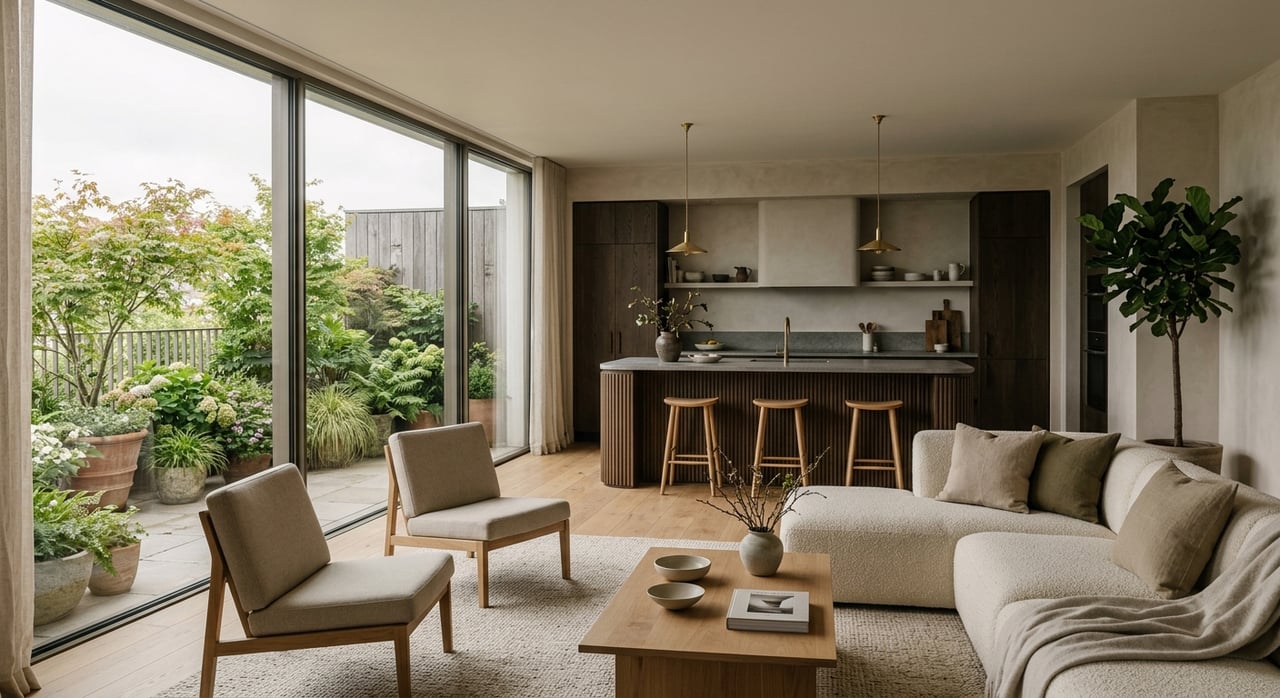
If you have lived in a Rosedale house for years, moving to a Summerhill condo can feel like a big emotional shift, not just a change in square footage. You may be thinking about giving up a garden, formal rooms, or the rhythm of a home that has shaped family life for decades. The good news is that with the right plan, this move can feel less like a loss and more like a thoughtful refinement of how you want to live next. Let’s look at how to right-size from Rosedale to Summerhill with clarity and confidence.
Why this move feels bigger than a sale
South Rosedale is not just another residential area. The City of Toronto identifies it as a heritage conservation district known for curving streets, mature tree canopy, park-like lots, and historic homes dating from the 1880s to the 1930s. If you are leaving a long-time house here, you are often leaving a strong sense of place as much as the property itself.
That is why the most helpful mindset is often not “downsizing,” but right-sizing. The goal is to reduce upkeep and excess space while keeping the parts of central Toronto life that still matter most to you. In many cases, Summerhill offers that balance.
Why Summerhill suits right-sizing
Summerhill can work well for homeowners who want to stay central while simplifying daily life. In University-Rosedale, 45.0% of households are one-person households and 33.8% are two-person households, with an average household size of 1.91 compared with 2.38 citywide, according to the City of Toronto’s 2021 census profile for Ward 11. The same profile shows 18,085 seniors in the ward in 2021, up from 15,850 in 2016.
Those numbers matter because they reflect a market where smaller households and aging-in-place needs are already part of the housing mix. You are not forcing a lifestyle change into the wrong setting. You are moving into an area where condo living already aligns with how many central Toronto residents live.
Keep your Midtown routines intact
One of the strongest reasons to move from Rosedale to Summerhill is that you can often preserve the routines that make the area feel like home. The Rosedale Main Street BIA includes more than 180 businesses along Yonge Street from Woodlawn Avenue to Ramsden Park, including cafes, restaurants, boutiques, wellness services, and professional services.
That means daily errands, coffee stops, and familiar walks do not have to disappear when you leave a house. You may trade a long driveway and multiple floors for an elevator ride, but your connection to the neighborhood can remain very much intact.
Nearby green space also supports that continuity. The City notes that David A. Balfour Park now includes accessible multi-use trails, lighting, washrooms, gardens, benches, and more than 250 newly planted trees and shrubs following reservoir rehabilitation work. If walking is part of your weekly rhythm, that kind of access matters.
Transit matters more than you think
Even if you still drive, one of the practical advantages of Summerhill condo living is easier day-to-day mobility. The TTC states that Summerhill Station elevators were in service as of December 31, 2025, and that Rosedale Station elevators have also been in service since October 2025.
For many homeowners, this adds flexibility. You can stay close to the places you know while becoming less dependent on a car for every outing. Over time, that can make city living feel easier, especially if long-term accessibility is part of your planning.
What changes in condo living
Moving from a detached house to a condo means more than living in less space. The Condominium Authority of Ontario explains condo ownership as a mix of private ownership and communal living, with rights and obligations shaped by the building’s governing documents.
In practical terms, you are shifting from full control over a house and grounds to a smaller private footprint with shared common elements and formal building rules. For many downsizers, that trade can be a relief. Snow removal, exterior maintenance, and many building systems move off your personal to-do list.
Still, condo living works best when you choose the building as carefully as you choose the unit. A beautiful suite in the wrong building can feel restrictive. A well-run building with the right rules and financials can make everyday life feel much simpler.
Plan around your real lifestyle
Before you focus on finishes or square footage, think about what truly needs to fit into your next home. Start with your actual routines, not an attempt to recreate your house on a smaller scale.
Ask yourself:
- Do you host seated dinners, casual drinks, or family holidays?
- How much wall space do you need for art?
- Where will books, files, and seasonal items go?
- Which furniture pieces are essential, either functionally or sentimentally?
- Do you need a den for work, reading, or a hobby?
- How important is outdoor space?
This stage is important because the easiest transitions are built around real daily habits. When the layout supports how you actually live, the condo feels intentional instead of compromised.
What to review before buying
For a resale condo, document review is essential. The CAO advises buyers to review the status certificate, declaration, by-laws, rules, current budget, latest audited statements, and most recent reserve fund study.
The status certificate is especially important for resale units. The CAO notes that it can be requested by anyone, must be provided within 10 days, and costs up to $100. This package helps you understand the corporation’s financial position, legal issues, fees, and whether the unit owner is current on common expenses.
For many right-sizing buyers, the goal is predictability. You want a home that feels easy to manage, not one that introduces new uncertainty.
Reserve funds and special assessments
A condo’s reserve fund is one of the clearest indicators of building health. The CAO explains that reserve funds are required and used for major repairs and replacements, supported by reserve fund studies that are generally updated every three years.
Common expenses can change over time. The CAO also notes that if a corporation cannot cover a cost through its operating fund, a special assessment may be required. For a homeowner leaving a house to simplify life, that makes reserve-fund review especially important.
In short, a well-managed building can help support the low-maintenance lifestyle you want. Weak financial planning can do the opposite.
Rules shape everyday comfort
Condo documents also tell you how the building functions day to day. According to the CAO guide, the declaration, by-laws, and rules can cover matters such as board governance, collection of common expenses, borrowing, smoking, vaping, cannabis use, short-term rentals, and pet limits.
These details may sound technical, but they affect your daily experience. The declaration may also identify exclusive-use common elements such as balconies and set how common expenses are apportioned. If you want a quiet, orderly, low-maintenance home, these are not small details.
New-build or resale in Summerhill
If you are considering a new condo instead of a resale suite, Ontario offers a few protections worth knowing. The CAO notes that new residential condos must be enrolled in the Tarion warranty program, and buyers have a 10-day cooling-off period after receiving the agreement, disclosure documents, and Condo Guide.
The same guide highlights the pre-delivery inspection as an important step before closing. For some buyers, a new building offers modern systems and finishes. For others, a resale condo may offer a more established corporation, a clearer expense history, and a better sense of how the building actually lives.
Consider heritage and growth context
If the building you are considering is in a Heritage Conservation District, the City states that certain alterations or demolition proposals must go through Toronto Building for heritage review. That may not affect every purchase directly, but it is part of the wider context in central Toronto.
It is also helpful to understand how the area may evolve over time. The City maintains the Yonge-St. Clair Secondary Plan, which provides more detailed local policies to guide growth and change in the area. For a buyer planning a long-term move, that broader planning framework can be useful context.
Today’s market may offer leverage
The condo market can also shape the timing of your move. According to the TRREB condo market report, GTA condo apartment sales in Q4 2025 were down 15% year over year, while active listings were up relative to sales. TRREB also reported an average GTA condo apartment price of $652,945 and a City of Toronto average of $690,607.
The practical takeaway is simple: buyers may have more negotiating power in this environment. If you are moving from a valuable Rosedale house into a Summerhill condo, market conditions may create room to negotiate more carefully on price or terms.
The emotional side of letting go
Even when the move makes perfect sense on paper, it can still feel difficult. A house often holds more than furniture. It holds memory, ritual, and the visual markers of different chapters of life.
That is why the best condo moves do not treat the house as clutter to be erased. They focus on protecting what still matters, whether that is a favorite dining table, a library wall, a walkable routine, or proximity to familiar streets. When your next home reflects your real priorities, the move tends to feel more grounded and more positive.
A thoughtful Summerhill condo can offer exactly that: less maintenance, strong transit access, and continued connection to central Toronto life. If you are considering a move from Rosedale and want a discreet, well-informed strategy for both the sale and the purchase, Michelle Jalsevac offers private, high-touch guidance tailored to Midtown and Downtown Toronto.
FAQs
What makes Summerhill a practical choice for downsizing from Rosedale?
- Summerhill can help you stay close to central Toronto amenities, transit, parks, and the Yonge corridor while moving into a lower-maintenance home.
What condo documents should you review before buying a Summerhill resale condo?
- You should review the status certificate, declaration, by-laws, rules, budget, audited financial statements, and the most recent reserve fund study.
What does the status certificate tell you about a Toronto condo?
- The status certificate helps show the condo corporation’s financial position, legal issues, fees, and whether there are concerns tied to the specific unit.
What should you prioritize when moving from a house to a condo in Summerhill?
- You should prioritize layout, storage, accessibility, building financial health, and how well the home supports your real daily routines.
Are Summerhill and Rosedale TTC stations accessible?
- Yes. The TTC lists both Summerhill Station and Rosedale Station as Line 1 stations with elevators in service.
Is it better to buy a new or resale condo in Summerhill?
- It depends on your priorities, but resale condos can offer a more established financial history, while new condos include Tarion coverage and a 10-day cooling-off period.