If you are choosing between Midtown and Downtown Toronto for a luxury condo, the right answer is less about price tags and more about how you want your day to feel. Some buyers want a quieter, more residential setting with elegant streets and boutique conveniences nearby. Others want to step outside and be in the center of office towers, dining, culture, and daily activity. This guide will help you compare Midtown vs Downtown Toronto luxury condo living so you can decide which setting fits your lifestyle best. Let’s dive in.
Midtown vs Downtown at a Glance
At a high level, Midtown and Downtown offer two distinct versions of luxury condo living in Toronto. Midtown tends to feel more residential, more varied in building form, and more closely tied to established streetscapes and green space. Downtown tends to feel taller, denser, and more connected to major employment, entertainment, and transit hubs.
That contrast is supported by the City’s planning framework. Midtown’s current planning area, centered on the Yonge-Eglinton Secondary Plan Area, includes more than 72,000 residents, 33,000 jobs, two Line 1 stations, and now Line 5 Eglinton service. Downtown, by comparison, includes the Financial District, which the Financial District BIA identifies as Toronto’s premier centre of commerce with more than 200,000 jobs.
What Defines Midtown Luxury Living
Midtown luxury condo living often appeals to buyers who want sophistication without the intensity of the downtown core. The area is shaped by a mix of apartment neighbourhoods, established residential pockets, and heritage-sensitive planning. In practical terms, that often means a less uniform condo landscape and a more layered streetscape.
City guidelines also point to lower-density areas such as Ramsden Park, Yorkville Triangle, and Asquith-Collier. Heritage descriptions characterize Rosedale as an early picturesque suburb with mature tree canopy and park-like lots, while Yorkville is described as a mix of 19th-century housing that later became an arts community. For you as a buyer, that often translates into a setting that feels more intimate and residential.
Midtown streetscape and atmosphere
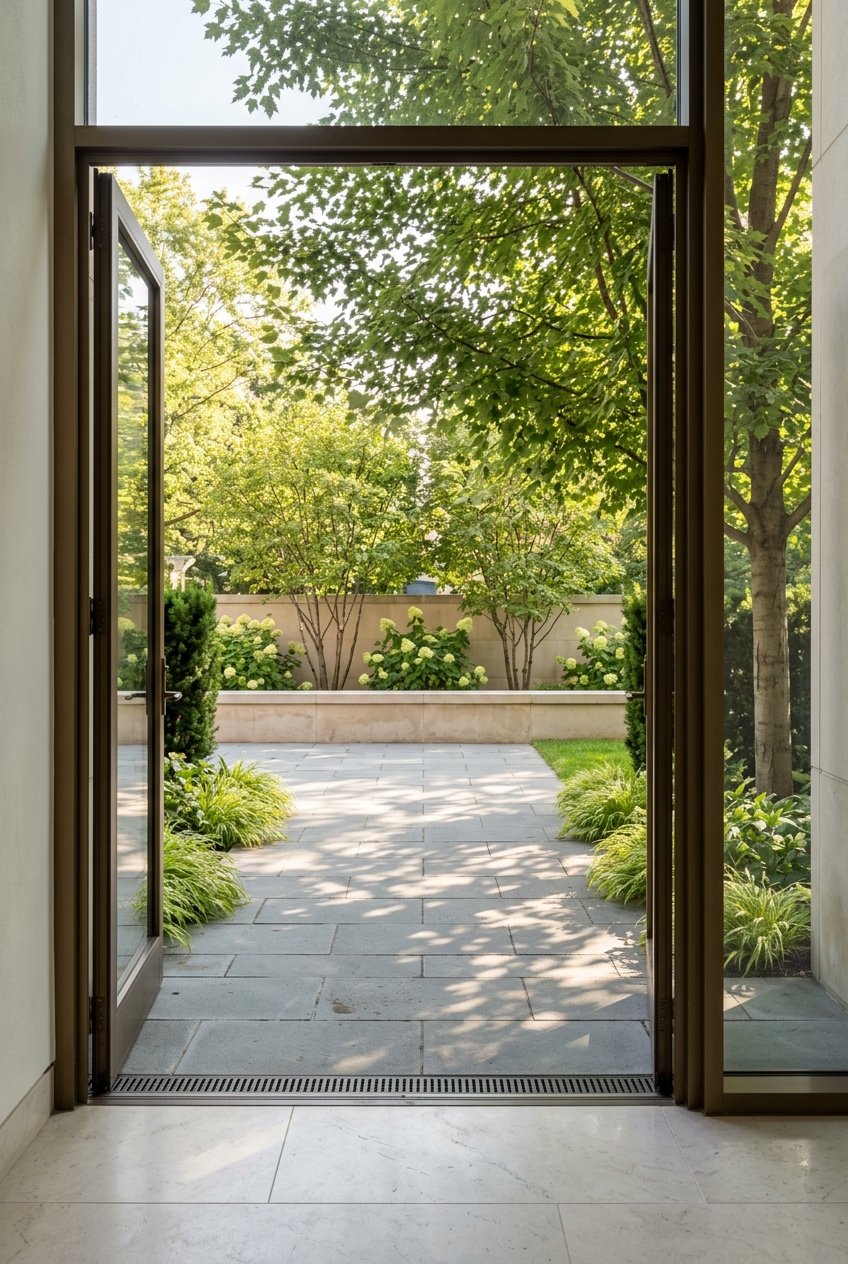
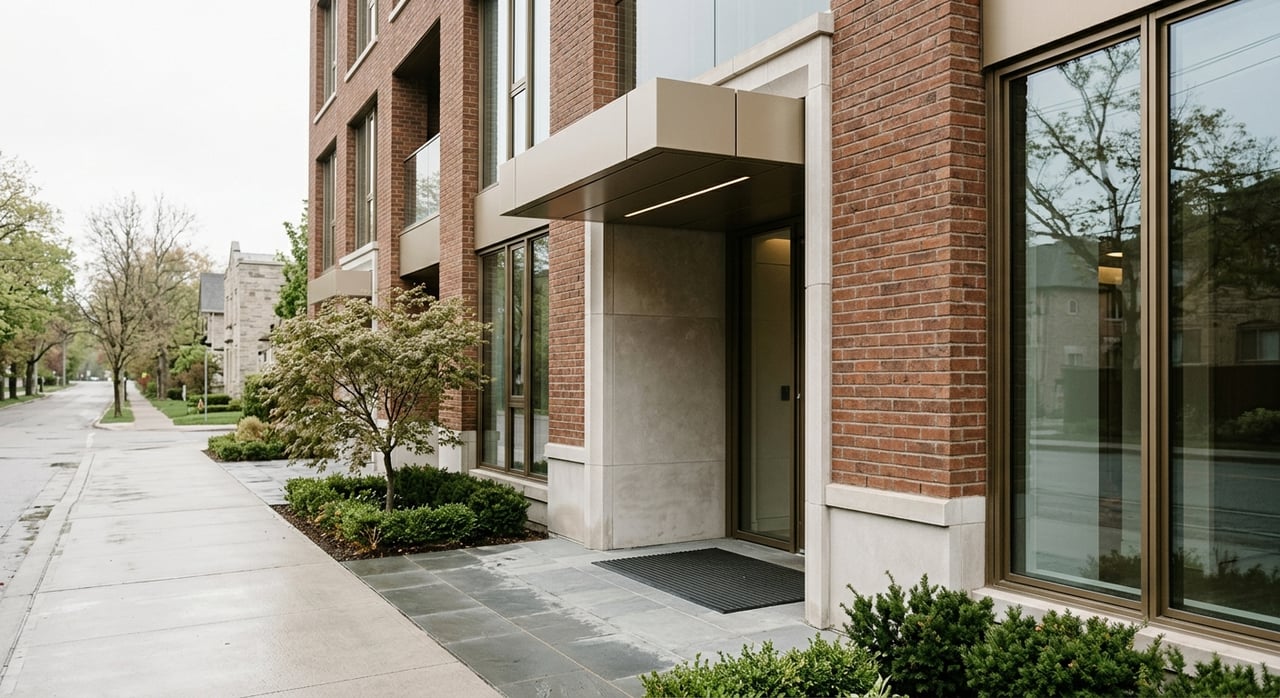
One of Midtown’s biggest advantages is atmosphere. You will find tree-lined streets, a stronger neighbourhood rhythm, and a built form that often feels more sensitive to its surroundings. Even where condo development is active, Midtown does not read as one continuous tower district.
The area also offers a meaningful green-space component. The City’s Midtown Parks and Public Realm Plan envisions a more connected park system, and Ramsden Park is highlighted for both its ravine landscape and civic role. If daily walks, nearby open space, and a more balanced pace matter to you, Midtown has a clear pull.
Midtown retail and lifestyle
Midtown’s luxury lifestyle is not limited to residential character. It also includes high-end retail and dining, especially in Yorkville and along Yonge Street. The Bloor-Yorkville BIA includes more than 700 businesses, including designer boutiques, restaurants, hotels, galleries, spas, and health-care providers.
Nearby, the Rosedale Main Street BIA represents more than 180 businesses and includes art, wellness, restaurants, cafes, and boutiques. That means your day-to-day experience can feel curated and convenient without always feeling crowded. For many luxury condo buyers, that combination is exactly the point.
What Defines Downtown Luxury Living
Downtown luxury condo living is shaped by access, density, and immediacy. If you want to live close to the financial core, major event venues, destination dining, and a broad mix of amenities, Downtown offers the most concentrated version of that lifestyle. It is Toronto’s primary tall-building environment and the city’s most active mixed-use setting.
The City’s tall-building guidance places tall buildings in Downtown, Centres, and parts of the waterfront, while the King-Spadina review notes a shift from mostly employment uses to substantial residential use. In simple terms, Downtown is where vertical city living is most established. For luxury buyers, that often means dramatic views, tower living, and quick access to the city’s busiest districts.
Downtown walkability and convenience
Downtown’s strongest everyday advantage is walkability. The PATH network alone spans more than 30 kilometres, linking more than 75 buildings and six subway stations, and it serves more than 200,000 business-day commuters. If you value being able to move through the core with minimal time outdoors during the workweek, that convenience is hard to match.
Union Station also anchors Downtown transit. The City describes it as a hub for transportation and commerce, positioned between the Financial District, Entertainment District, St. Lawrence neighbourhood, and waterfront. If your routine depends on seamless access to the core, Downtown has the edge.
Downtown amenities and cultural access
Downtown also stands out for the depth of its amenity base. Downtown Yonge BIA includes more than 600 retail stores, 150 bars and restaurants, eight hotels, major malls, theatres, and Yonge-Dundas Square. Downtown West BIA includes major destinations such as Scotiabank Arena, the Four Seasons Centre, Factory Theatre, The Well, and other cultural institutions.
The St. Lawrence Market District adds another dimension with a historic landmark, a market that operates six days a week, and more than 60 specialty vendors. The City’s Official Plan also reinforces Downtown as a concentration point for government, higher education, health care, and arts and culture. If you want the broadest range of things to do within a short distance, Downtown is difficult to beat.
Comparing Condo Character
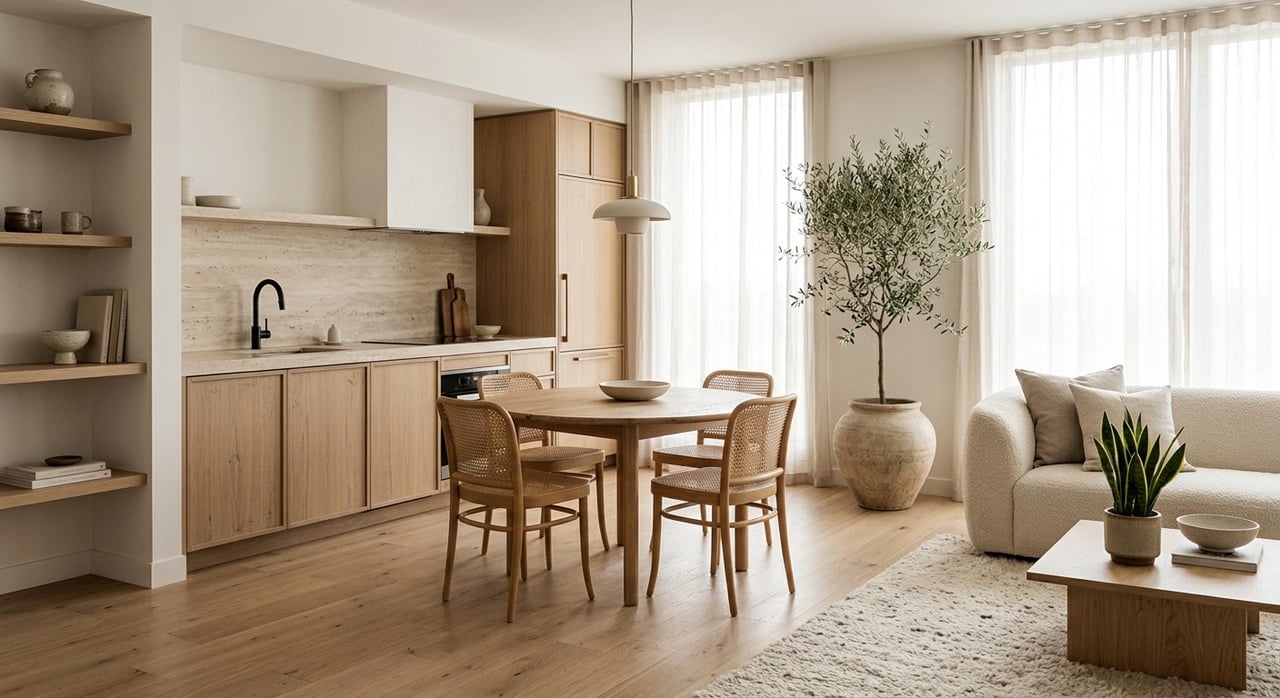
Luxury condo living is not only about location. It is also about the type of building and the feeling you want when you arrive home. Midtown and Downtown differ in meaningful ways here.
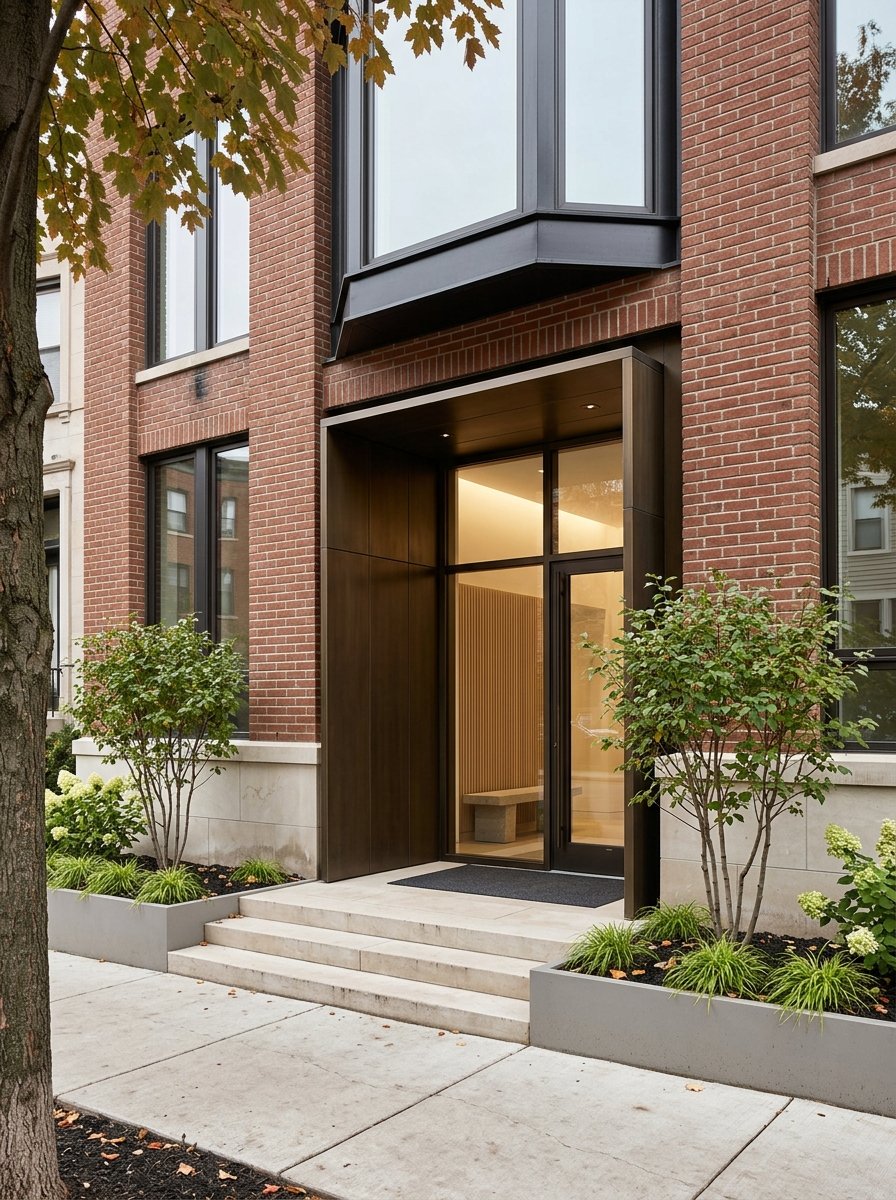
Midtown often feels more varied. Because it includes apartment neighbourhoods, heritage-sensitive areas, and lower-density pockets, the condo inventory can feel more mixed and context-driven. Downtown, by contrast, is more consistently vertical and mixed-use, with a stronger presence of tall buildings.
Here is a simple way to think about it:
| Feature | Midtown Toronto | Downtown Toronto |
|---|---|---|
| Overall feel | More residential and character-sensitive | More vertical and urban |
| Streetscape | Tree-lined, layered, varied | Dense, active, tower-focused |
| Commute style | Strong subway access plus Line 5 Eglinton | Walkable access to office core and PATH |
| Retail and dining | Boutique and neighbourhood-scaled | Broad, high-volume, city-scale |
| Green space feel | Stronger park and public realm presence | More event-driven and built-up |
Transit and Commuting Differences
For many luxury condo buyers, commute style matters as much as square footage or finishes. Midtown is particularly strong if you want solid rapid transit access without living in the center of the core. Residents have direct Line 1 access at stations such as Eglinton, Davisville, Summerhill, Rosedale, and Bloor-Yonge.
Midtown also benefits from the introduction of Line 5 Eglinton. Metrolinx says the line is 19 kilometres long with 25 stops and connections to three TTC subway stations, two GO lines, UP Express, and 54 bus routes. That gives Midtown a stronger east-west rapid transit story than it had before.
Downtown, however, remains the easiest choice for many office-based buyers. The shortest path to the Financial District, Union Station, and the PATH network is still a major advantage. If your priority is minimizing the friction between home, meetings, and evening plans, Downtown likely feels more efficient.
A Note on Yorkville
Yorkville often comes up in conversations about Midtown luxury living, but it is important to understand the planning context. The City’s Bloor-Yorkville/North Midtown guidelines place much of Yorkville within Downtown Toronto, except for lands east of Yonge Street and north of Rosedale Valley Road. So while buyers often group Yorkville with Midtown luxury, the official framework treats much of it as Downtown.
Why does that matter? Because Yorkville often blends both worlds. It offers luxury retail, dining, hotels, and galleries, yet it also connects naturally with nearby residential pockets and established streetscapes. For some buyers, Yorkville is the ideal middle ground in this Midtown vs Downtown discussion.
Which Area Fits Your Lifestyle Best?
If you are drawn to a more residential, tree-lined, and heritage-sensitive setting, Midtown may be the stronger fit. It tends to suit buyers who want luxury condo living with a calmer street experience, boutique retail, and easier access to parks and established neighbourhood character. That does not mean quiet in every corner, but it often feels more balanced.
If you want maximum walkability, a denser amenity base, and immediate access to office towers, nightlife, and cultural venues, Downtown may be the better choice. It suits buyers who want the shortest route between home and the city’s most active districts. For some, that convenience is the defining feature of luxury urban living.
In practice, the best choice depends on how you want to live every day. A private, well-chosen luxury condo should support your routine, your pace, and your priorities. That is where a more tailored, micro-market view becomes valuable.
If you are weighing Midtown against Downtown Toronto luxury condo living, a focused buying strategy can help you narrow the options quickly and confidently. For discreet guidance on resale luxury condos, penthouses, select downtown townhomes, and curated neighbourhood advice in central Toronto, connect with Michelle Jalsevac.
FAQs
Is Yorkville considered Midtown or Downtown Toronto?
- In the City of Toronto planning framework, much of Yorkville is treated as Downtown, although buyers often discuss it alongside Midtown luxury because of its proximity to Rosedale, Summerhill, and established residential pockets.
Which area is better for commuting to Toronto’s Financial District?
- Downtown usually has the advantage for office-adjacent walkability, Union Station access, and the PATH network, while Midtown offers strong Line 1 access and now added east-west service through Line 5 Eglinton.
Which area has a calmer luxury condo lifestyle in Toronto?
- Midtown generally feels more residential, tree-lined, and neighbourhood-oriented, based on the City’s heritage, public realm, and planning framework.
Which area offers more dining, shopping, and culture in Toronto?
- Downtown has the broader concentration of retail, restaurants, entertainment venues, and cultural institutions, while Midtown tends to offer a more boutique and neighbourhood-scaled mix.
What is the main difference between Midtown and Downtown condo living?
- Midtown usually offers a more character-sensitive residential setting with strong transit and green-space appeal, while Downtown offers a denser, more vertical lifestyle centered on walkability, commerce, and major amenities.