Are you looking for a condo that feels more personal than a downtown tower? In the Annex, that search often leads you toward boutique buildings, heritage-adjacent conversions, and refined mid-rise options that fit the neighbourhood’s distinct character. If you want to understand what makes boutique condo living in the Annex different, what to look for, and how to compare your options, this guide will help you narrow your search with confidence. Let’s dive in.
Why the Annex Fits Boutique Condos
The Annex has long stood apart as one of Toronto’s most historically layered neighbourhoods. City materials describe it as tree-lined and closely tied to architecture, culture, and a legacy shaped in part by figures like Jane Jacobs. That backdrop matters because the appeal here is not about height or scale alone. It is about how a building fits into the street, the block, and the broader neighbourhood fabric.
The West Annex heritage study also shows why the area feels so varied. You will find late-19th- and early-20th-century house-form buildings, early apartment buildings, civic and institutional structures, and later mid-rise and high-rise additions. For buyers, that mix creates a more curated condo landscape than you might expect in a more uniform tower district.
What “Boutique” Usually Means Here
In the Annex, boutique condo living often means fewer suites, more distinctive architecture, and a stronger sense of identity. Instead of a large tower with broad, standardized layouts, you may find buildings with more varied floor plans, private terraces, townhouse-style entries, or house-like proportions. Shared amenities also tend to feel more selective and intimate.
Toronto’s mid-rise design guidelines define mid-rise buildings as the in-between scale between houses and towers, generally 5 to 14 storeys. The guidelines emphasize a strong relationship to the street, active ground floors, and pedestrian comfort. In a neighbourhood like the Annex, that kind of built form often aligns well with what buyers want from a boutique residence.
Annex Building Types You May Encounter
Heritage and House-Form Buildings
Part of the Annex’s appeal comes from its older building stock. City notices identify 68 Kendal Avenue as an Edwardian Classical Revival apartment building and describe it as an example of the small-scale apartment type that emerged in the area. Buildings like this help explain why boutique-minded buyers are often drawn to the neighbourhood.
You may also come across house-form properties that contribute to the Annex’s historic streetscape. For example, 661 Huron Street is described in a heritage notice as a house-form building originally built as a single-family residence. For some buyers, these properties offer a scale and presence that feels closer to a private home than a conventional condo.
Boutique Newer Mid-Rise Projects
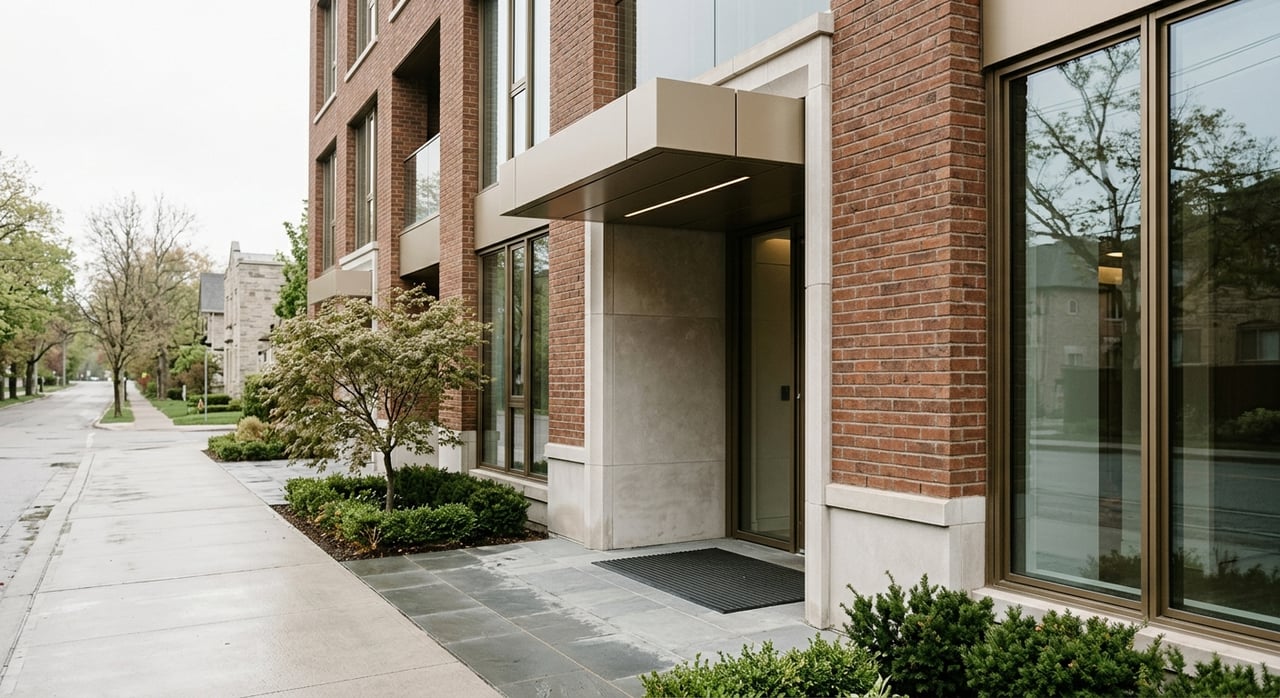
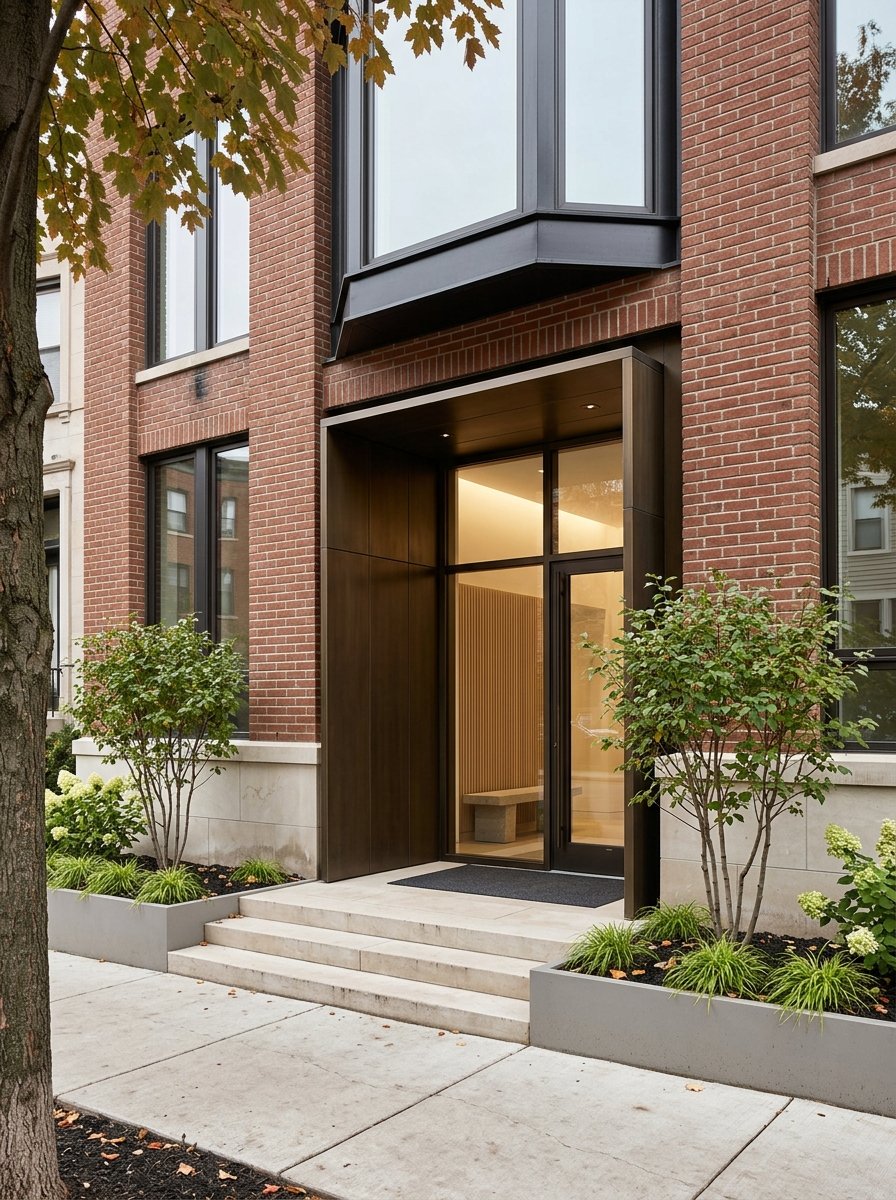
The Annex also includes more recent boutique and mid-rise developments. These buildings often deliver newer systems, contemporary finishes, and a more polished shared amenity package while still fitting within a more local, pedestrian-oriented setting. That balance can be especially appealing if you want design-forward living without moving into a large tower environment.
Conversion and Hybrid Inventory
Because the neighbourhood includes historic apartments, house-form buildings, and later additions, the Annex can also present more unusual inventory. Some opportunities may feel like a blend of condo convenience and older architectural character. If you value originality over sameness, this is one of the neighbourhood’s strongest advantages.
Notable Boutique Condo Examples
A few well-known buildings help illustrate the range of boutique condo product in the Annex.
B.Streets Condos
B.Streets Condos at 783 Bathurst is a 195-unit project in the Annex by Lindvest. It includes a wide range of suite sizes, including two- and three-bedroom-plus-den homes, two-storey penthouse lofts, and townhouse-style residences facing the lane. Reported amenities include a fitness centre, social lounge, hobby room, outdoor terrace, and ground-floor retail.
This is a useful example of a building that is larger than a classic small boutique address, yet still offers suite diversity and a more curated experience than a typical high-rise. If you want flexibility in layout and a location tied closely to daily neighbourhood life, it may fit that brief well.
The Perry
The Perry at 128 Pears Avenue shows a more intimate boutique model. This 45-suite building is described as 11 storeys and includes amenities such as 24/7 concierge, a library, private dining, a piano lounge, and a serenity garden. Suites reportedly range from about 687 to 2,921 square feet, with some one- and two-storey homes, private terraces, and a limited estate collection with private elevators.
For buyers seeking a quieter luxury experience, this type of building often stands out. The combination of limited suite count, thoughtful common spaces, and larger-format homes can appeal to downsizers, upsizers, and buyers who want a more discreet ownership experience.
What to Look for When Buying
In the Annex, the best boutique condo choice is not always the newest building or the one with the longest amenity list. Often, the better question is how the building supports the way you want to live.
Unit Count and Privacy
A lower suite count can change the feel of a building in meaningful ways. It may offer a quieter atmosphere, less turnover in common areas, and a stronger sense of privacy. For many Annex buyers, that is a major part of the boutique appeal.
Layout Flexibility
Pay close attention to floor plan variety. In this neighbourhood, some buildings offer larger suites, den spaces, two-storey layouts, townhouse-style entrances, or terraces. If you are moving from a house or looking for long-term usability, these details can matter more than raw square footage alone.
Building Age and Design Character
Older and newer boutique properties can each offer value, but in different ways. Older stock may deliver architectural charm and more individual layouts, while newer buildings may offer contemporary systems and a more polished amenity package. In the Annex, both can be compelling, depending on your priorities.
Amenity Style
Many Annex boutique buildings emphasize curated amenities rather than resort-style excess. Concierge service, a library, lounge, garden, terrace, or fitness room may matter more here than large-scale entertainment facilities. If you prefer understated comfort, this can be a real advantage.
Heritage Context
Heritage context is especially important in the Annex. If a property is designated or located within a Heritage Conservation District, exterior changes and some alterations may require heritage permit review through the City. If you are considering renovations, this should be part of your due diligence early in the process.
Why Daily Life in the Annex Stands Out
A boutique condo is only as good as the neighbourhood around it. In the Annex, daily life is one of the strongest parts of the value proposition.
The Bloor Annex BIA describes the area along Bloor Street West between Madison Avenue and Bathurst Street as an eclectic mix of retail, entertainment, wellness services, restaurants, and bars. Recent greening, new trees, and parkettes add to the street experience. For buyers, that means your building is often part of a true neighbourhood setting rather than a purely vertical condo zone.
Transit is another major strength. Bathurst Station is an accessible Line 2 station, and the corridor is served by the 511 Bathurst streetcar. St. George Station is also an accessible interchange, and the University of Toronto notes that the St. George campus can be reached through several nearby stations and multiple streetcar and bus routes.
The neighbourhood also benefits from cultural and institutional anchors. Nearby destinations include the University of Toronto St. George campus, the Royal Ontario Museum, Hot Docs Ted Rogers Cinema, the Royal Conservatory, and the Bata Shoe Museum. If your ideal lifestyle includes walkable access to culture, transit, and established city streets, the Annex offers a rare balance.
Annex vs. Yorkville and South Hill
If you are comparing central Toronto luxury neighbourhoods, it helps to understand where the Annex sits in relation to nearby options.
Annex vs. Yorkville
Yorkville is often associated with destination retail and a more polished luxury profile. City guidelines describe the Village of Yorkville precinct as internationally known for retail shops, cafes, pedestrian mews, and a strong mixed-use commercial identity. That environment can be appealing, but it offers a different lifestyle feel.
By contrast, the Annex is generally more rooted in heritage streets, local retail, and cultural and academic adjacency. If you prefer a neighbourhood that feels more residential, layered, and less overtly branded around luxury shopping, the Annex may be the better fit.
Annex vs. South Hill
South Hill presents another distinct alternative. City materials describe it as a residential neighbourhood that developed between 1890 and 1920 and includes some of Toronto’s largest houses, along with certain townhouses and apartment buildings on Avenue Road. Its identity is more closely tied to estate-style residential character.
The Annex offers more condo and apartment stock, a wider mix of building ages, and more opportunities for small-scale boutique living. If your priority is a refined urban condo lifestyle with stronger transit and mixed-use access, the Annex can provide more choice.
Who the Annex Boutique Market Suits Best
Boutique condos in the Annex can suit several buyer profiles. If you are downsizing from a larger home, you may appreciate larger floor plans, better privacy, and thoughtful amenities without the feel of a massive building. If you are an urban buyer who values architecture and culture, the neighbourhood’s setting may be as important as the suite itself.
This market can also appeal to buyers who want a more discreet luxury experience. Rather than choosing a highly visible tower address, you may find a residence that feels quieter, more design-driven, and more connected to the rhythm of the neighbourhood.
How to Search Strategically
The Annex is not a neighbourhood where every condo option will look or feel the same. That is part of its appeal, but it also means your search should be specific.
Start by defining the living experience you want most:
- A lower suite count
- Heritage or architectural character
- Newer mid-rise construction
- Larger layouts or den space
- Private terrace or outdoor access
- Concierge or select amenities
- Walkability to Bloor Street West, transit, or cultural institutions
Once those priorities are clear, it becomes much easier to separate the buildings that are merely attractive from the ones that truly fit your lifestyle. In a neighbourhood as nuanced as the Annex, that clarity can save time and lead to a better long-term purchase.
If you are considering a boutique condo in the Annex, a focused, discreet search can make all the difference. For tailored guidance on resale luxury condos, penthouses, and select townhome opportunities in this part of Toronto, you can Michelle Jalsevac.
FAQs
What makes an Annex condo building feel boutique?
- In the Annex, boutique often means fewer suites, more distinctive architecture, varied layouts, and a more intimate amenity package than a typical large high-rise.
What types of condo buildings exist in the Annex?
- The Annex includes historic apartment buildings, house-form properties, newer mid-rise condo projects, and some conversion-style or hybrid inventory.
What should you check before renovating an Annex condo?
- If the property is designated or located within a Heritage Conservation District, the City may require heritage permit review for exterior changes or certain alterations.
How is the Annex different from Yorkville for condo buyers?
- The Annex is generally more rooted in heritage streets, local retail, and cultural and academic proximity, while Yorkville is more closely associated with destination retail and a polished mixed-use luxury setting.
Is the Annex a good fit for buyers who want transit access?
- Yes. The area is served by accessible Line 2 subway stations such as Bathurst and St. George, along with the 511 Bathurst streetcar and multiple nearby transit routes.
What amenities are common in boutique condo buildings in the Annex?
- Common features can include concierge service, fitness spaces, lounges, gardens, terraces, libraries, and other smaller-scale shared spaces rather than resort-style amenity programs.